
Track live F1 standings during every race
See positions change lap by lap
Live F1
Live F1 Standings, Championship Calculator & Race Simulators
Track live Formula 1 standings, calculate championship scenarios, and simulate race strategy outcomes — all in one place
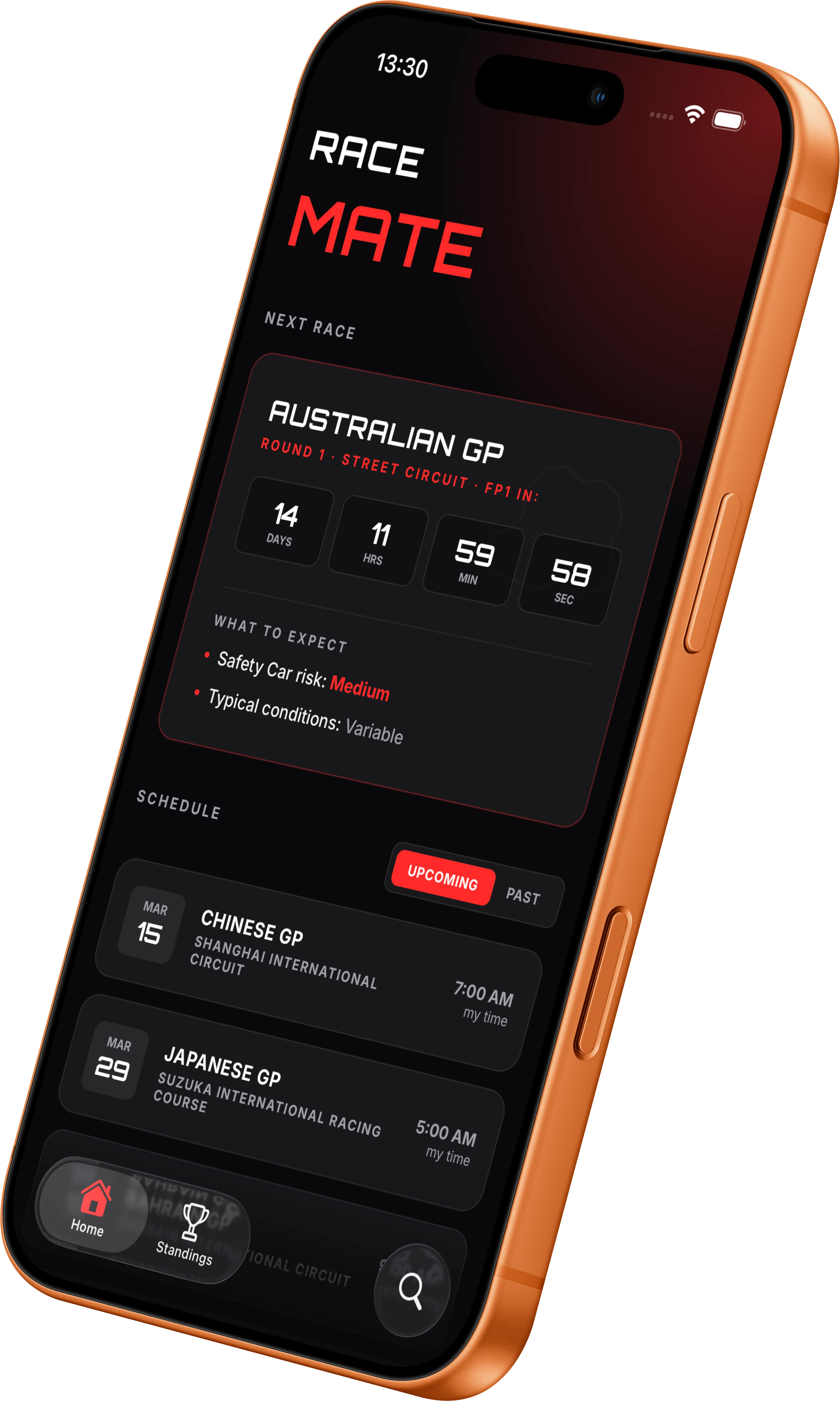
RaceMate is an independent F1 analytics platform offering live standings, championship calculators, title permutations, and tyre strategy simulators for Formula 1 fans worldwide.
Capabilities
What You Can Do With RaceMate
Everything you need to follow the season like a pro.
Use our F1 championship calculator
Test what your driver needs to winSimulate season outcomes
Run alternative race scenariosExperiment with tyre strategy and pit windows
Drag compounds and build your own strategy Blog
Follow the fight for the championship
Latest insights on F1 standings, race-by-race updates, and season-defining moments.
 F1 News
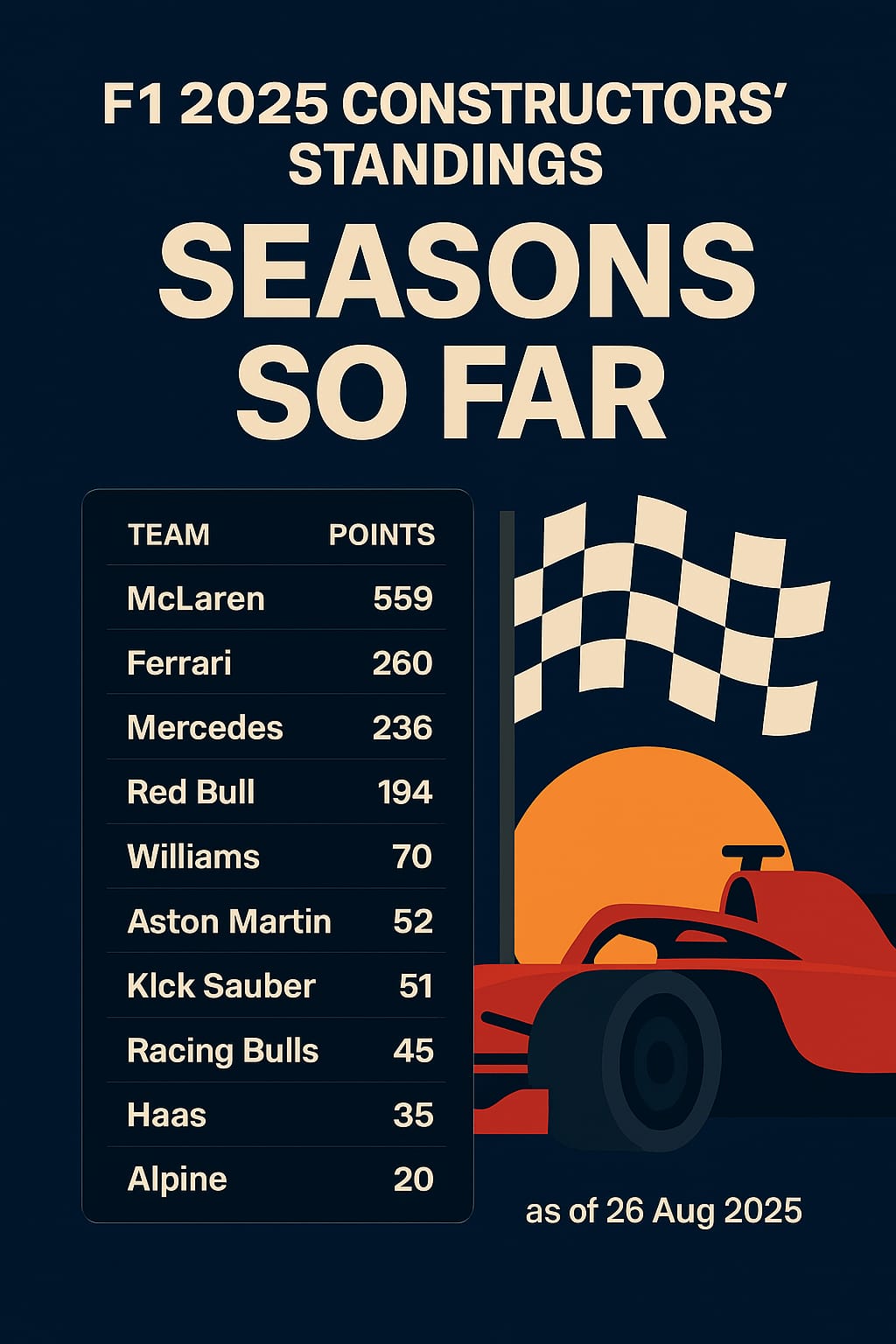
 F1 2026 Constructors' Standings: Full Season Tracker
Live F1 2026 constructors' standings updated after every race. Track which teams lead the championship under the new regulations.
Read more →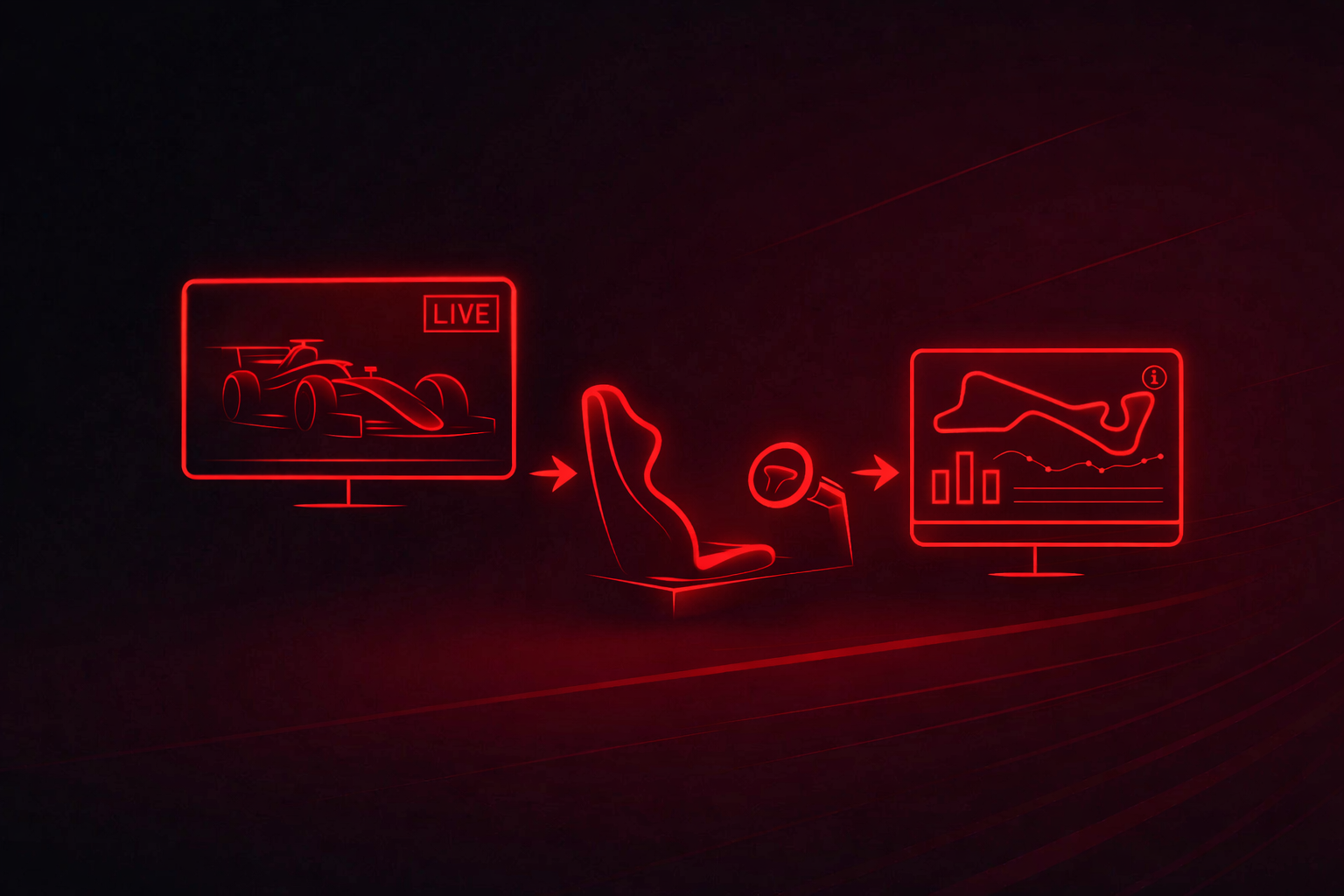 Race Analysis
 How to Watch the First Race With a Simulator in Mind
The first race of the season is when most fans treat one weekend as a verdict. The smarter move is to treat it as a calibration lap — an information-dense sample that updates what you think you know about pace, execution, and risk before the narratives harden.
Read more → Race Analysis
 Common Misreads of F1 Simulation Outputs
Most arguments about a simulator being "right" or "wrong" aren't about the model — they're about the way people read its outputs. Five classic misreads, and how to stop making them before they turn a useful tool into a debate prop.
Read more →F1 Intelligence, in your pocket
Track every race, driver, and strategy.
About
About RaceMate
Free F1 tools built for fans who want to understand the numbers behind the championship.
RaceMate provides live F1 championship standings updated in real time during grands prix, a drag-and-drop championship calculator for testing title permutations and clinch scenarios, a tyre strategy simulator for modelling pit stop windows and compound choices across races from 2018 onwards, and a full season simulator. All tools use official FIA points rules and live data. No sign-up is required.
The championship calculator lets fans explore exact points scenarios: what a driver needs to clinch the title, how a DNF affects the standings, or which constructor finishing orders produce a title swing. The tyre strategy simulator rebuilds historical races from pit data and lets you test whether a different compound sequence or pit window would have beaten the real result.